
When people are living with acute or long-term illness or injury, they typically want to rest and recover at home. Home-based care allows individuals to remain independent, connected with the people who can support them, and often makes the most sense financially. It’s also where trust matters most. Most in-home care is delivered by skilled, compassionate professionals, but fraud and waste can happen. Knowing the warning signs of fraud in home-based care protects the people and the systems we all rely on.
Home is where care happens
For millions of Americans, home is where recovery happens after a hospital stay, where a chronic illness is managed, or where families gather around someone they love in their final months. Home health, hospice, personal care, and Medicaid Home and Community-Based Services (HCBS) all aim to help people stay connected to the life they know, with dignity and comfort, wherever they call home.
What is home-based healthcare fraud?
Just like in all Medicare and Medicaid programs, in-home care is not immune from fraud attempts.
Healthcare fraud occurs when bad actors exploit the system for financial gain by, for example, billing for unnecessary procedures, for services or medication that were never provided, or signing patients up for programs that don’t even exist without their knowledge or consent.
The increased attention on hospice and home care fraud reflects both a rise in bad actors concentrated in hot spots like Los Angeles County and heightened federal enforcement and media coverage. Regulators are actively rooting out these scammers. Regulators’ work is now more visible than ever, even as fraud remains far from common or widespread across the field.
Scammers have targeted the Medicare hospice benefit and other home-based programs because they see government-funded programs as easy targets. The wrongdoers enroll people who are not appropriate for care, bill for care that was never delivered, or pressure vulnerable families to sign up for unwanted services with gifts and false promises.
These outlier scammers, clustered in specific geographies, are a small fraction of the providers delivering at-home health care services. But even a small number of bad actors put patients at risk and take away a family’s confidence I in picking the right home care they need. That’s why knowing what to look for matters – for your own peace of mind and for the integrity of a system that millions of people depend on.
Identify the warning signs of home care fraud
A few signs that something may not be right:
- You’re being enrolled in hospice or home health without a clear conversation with a doctor about eligibility.
- Someone offers gifts, free services, or other incentives to sign up for care.
- A provider asks for your Medicare number, Social Security number, or other personal details out of the blue by phone, text, or at your door.
- Services outlined in your care plan aren’t actually happening: missed visits, no response to calls, or care that feels rushed or incomplete.
- You’re billed for services you don’t remember receiving.
If any of this sounds familiar, you’re not powerless. Our guide on how to identify, avoid, and report hospice fraud walks through exactly what to watch for and where to turn. And our resource on choosing a home health agency can help you vet a provider with confidence from the start.
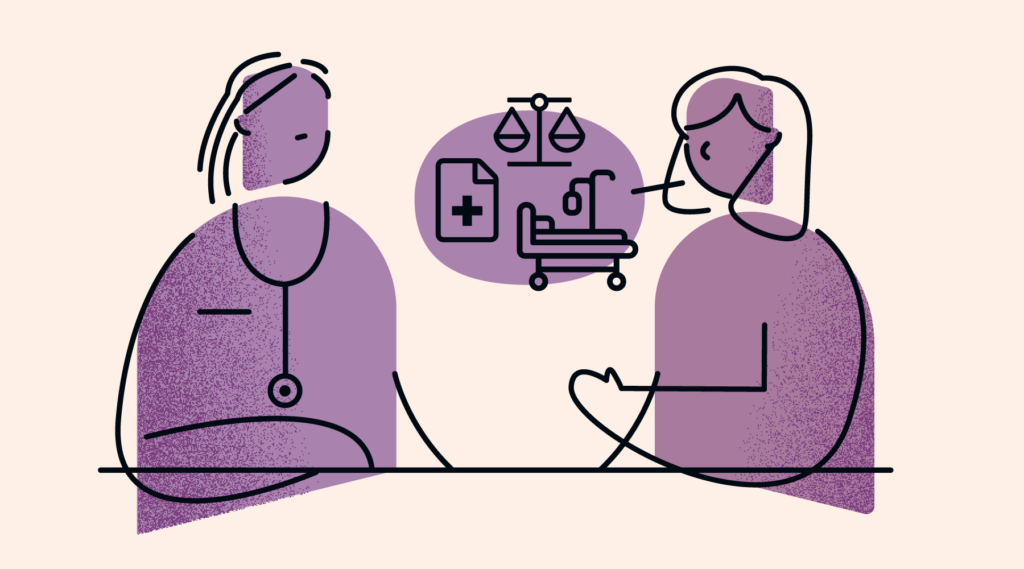
Your rights as a patient and what to expect from home-based care
For anyone entering into or considering starting to receive care at home, knowing what to expect is just as important as understanding what red flags to look for.
Hospice care brings a team to you, typically consisting of a nurse, home health aide, social worker, and chaplain, with visits scheduled around your needs. There is also a nurse on call 24/7 for emergencies. The hospice provides all medications, equipment, and supplies related to your illness (like a hospital bed, wheelchair, or oxygen), usually delivered right to your door at no extra cost.
Home health care means scheduled visits from a nurse or therapist at a customized frequency to check vitals, manage wounds, administer treatments, or guide you through physical or occupational therapy exercises. Any medical equipment needed for your recovery, like a walker or IV supplies, is typically arranged through the agency and covered as part of your plan of care.
Home care looks less like scheduled medical visits and more like a consistent helper in your daily routine. Home care often provides a caregiver who comes for set hours (a few hours a day, overnight, or around the clock) to assist with bathing, dressing, meals, and errands. Because this care is non-medical, there’s no clinical equipment involved; it’s paid for privately or through long-term care insurance rather than Medicare.
Learn more about the different types of care available at home.
It’s also important to understand that patients have specific rights under the law.
You have the right to care that honors your wishes, the right to know the costs of your care, and the right to your own information and privacy. Learn more about your rights as a patient, including who can help if you feel those rights aren’t being honored.
Raise your voice to protect quality at-home care
Protecting access to high-quality care at home is about supporting the policies and oversight that keep the system strong for everyone. The Alliance is working every day to protect Americans, strengthen trust, and preserve access to the care people depend on through formal comment letters to the Centers for Medicare & Medicaid Services (CMS), direct meetings with policymakers, member compliance resources, and proactive engagement with the media to ensure accurate information.
You can be part of that work by signing up for the Alliance’s grassroots network to get alerts on the issues affecting care at home and to make your voice heard when it counts.
Let’s work together to protect access to high-quality, affordable care at home.